What is digital technology? This easy guide explains digital technology in simple terms, covering examples, types, uses, benefits, and importance.
Introduction
Digital technology has become a major part of modern life. We use smartphones, computers, the internet, and smart devices every day without thinking much about how they work. From online shopping and digital payments to social media and video streaming, everything depends on digital technology. This makes many beginners curious to know what is digital technology and why it is so important.
In this easy guide, you will learn about digital technology in simple and clear language. We will explain its meaning, how it works, common examples, types, advantages, disadvantages, and future trends. This article is written especially for beginners with no technical background.
What Is Digital Technology?
Digital technology refers to electronic tools, systems, devices, and resources that generate, store, or process data in digital form. Digital data is represented using binary numbers, which are 0 and 1.
In simple words, digital technology is any technology that works with digital data instead of physical or analog information. Computers, smartphones, tablets, and the internet are common examples of digital technology.
Digital Technology Explained Simply
To understand digital technology easily, think of it like this:
- A photo taken with a camera becomes digital data
- A message sent on WhatsApp is digital information
- A video streamed online is digital content
All this data is stored, processed, and shared using digital systems.
Key Components of Digital Technology
Digital technology works because of several important components working together.
Hardware
Hardware includes physical devices such as:
- Computers
- Smartphones
- Servers
- Tablets
- Smart devices
These devices provide the structure needed to run digital systems.
Software
Software consists of programs and applications that tell hardware what to do.
Examples include:
- Operating systems
- Mobile apps
- Web applications
- Computer programs
Without software, digital devices cannot function.
Digital Data
Digital data is information stored in binary format.
Examples:
- Text files
- Images
- Videos
- Audio files
Digital data can be copied, shared, and stored easily.
Networks and Internet
Networks connect digital devices so they can communicate. The internet is the largest digital network in the world and plays a major role in digital technology.
How Digital Technology Works
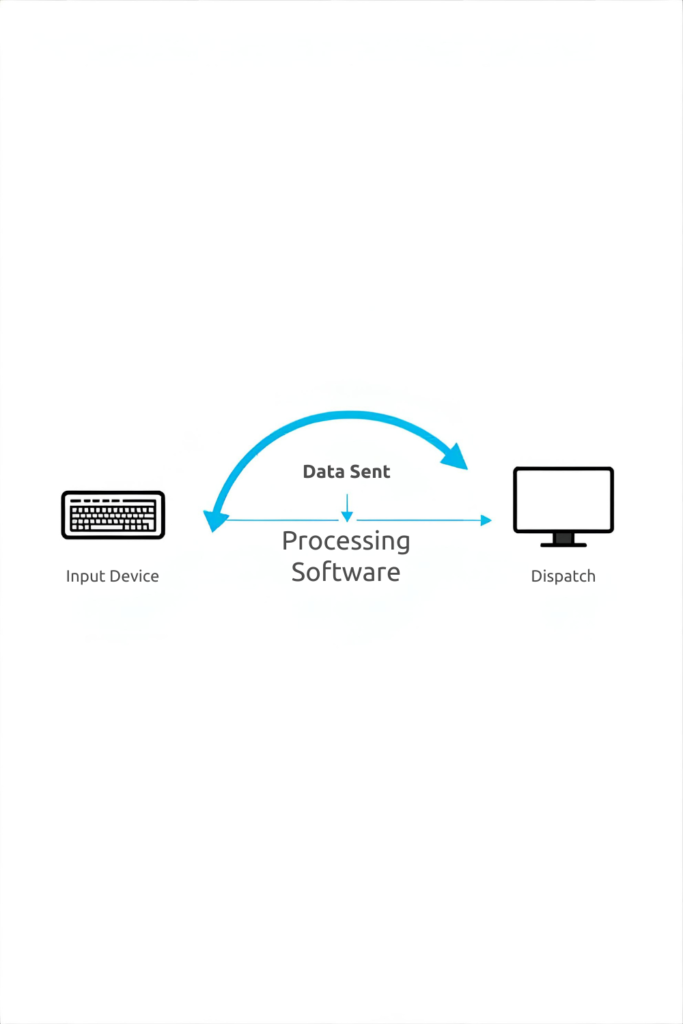
Digital technology follows a basic process:
- Input is given through a device
- Data is converted into digital form
- Software processes the data
- Information is stored or shared
- Output is displayed to users
This process happens in seconds and allows smooth digital experiences.
Types of Digital Technology
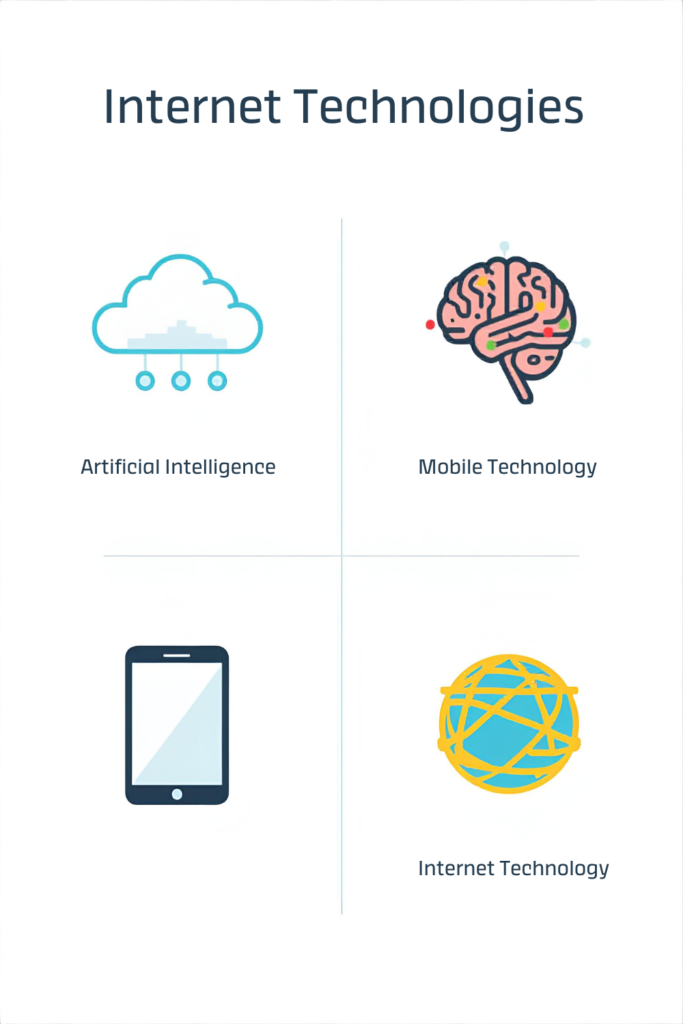
Digital technology includes many different types based on how it is used.
Information Technology
Information technology manages and processes digital data. It is widely used in offices, businesses, and schools.
Communication Technology
Communication technology allows people to connect digitally through:
- Emails
- Video calls
- Messaging apps
- Social media platforms
Internet and Web Technology
This technology allows access to websites, online services, and cloud platforms.
Mobile Digital Technology
Mobile technology includes smartphones, tablets, and mobile applications that provide digital services on the go.
Cloud Computing Technology
Cloud technology allows users to store data online and access it from anywhere.
Artificial Intelligence Technology
AI uses digital systems to perform intelligent tasks like voice recognition, recommendations, and automation.
Examples of Digital Technology in Daily Life

Digital technology is part of everyday activities:
- Online shopping
- Digital banking
- Streaming movies
- GPS navigation
- Smart home devices
These examples show how deeply digital technology is integrated into daily life.
Advantages of Digital Technology
Digital technology offers many benefits:
- Faster communication
- Easy access to information
- Improved productivity
- Better data storage
- Global connectivity
These advantages make digital technology essential.
Disadvantages of Digital Technology
Despite its benefits, digital technology has some drawbacks:
- Cyber security risks
- Privacy concerns
- Screen addiction
- Job displacement due to automation
Being aware of these issues helps in using technology responsibly.
Importance of Digital Technology
Digital technology is important because it:
- Supports education and learning
- Helps businesses grow
- Improves healthcare services
- Connects people worldwide
- Drives innovation
It plays a key role in modern society.
Digital Technology in Education
Education has improved with digital tools:
- Online classes
- E-learning platforms
- Digital libraries
- Virtual classrooms
Students can learn anytime and anywhere.
Digital Technology in Business
Businesses use digital technology for:
- Online marketing
- Customer management
- Data analysis
- E-commerce platforms
Digital systems increase efficiency and growth.
Digital Technology and Security
Digital security is important to protect data. Using strong passwords, secure networks, and updated software helps keep digital systems safe.
Future of Digital Technology
The future of digital technology includes:
- Smart cities
- Advanced AI systems
- Automation
- Internet of Things
Digital technology will continue to evolve rapidly.
How Beginners Can Learn Digital Technology
Beginners can start by:
- Learning basic computer skills
- Understanding digital tools
- Practicing with simple applications
- Taking online courses
Step-by-step learning builds confidence.
Conclusion
So, what is digital technology? It is the use of digital systems to process, store, and share information. From smartphones to cloud computing, digital technology shapes the modern world.
For beginners, understanding digital technology is the first step toward digital literacy. As technology continues to grow, learning digital skills becomes more important than ever.