
What is cyber security? Learn cyber security basics, common threats, types, and best practices to stay safe online in simple words.
Introduction
Cyber security has become a critical part of our daily digital life. Every time we use a smartphone, laptop, social media platform, or online banking service, we expose ourselves to cyber threats. Cyber security helps protect our data, devices, and online identity from hackers, viruses, and cybercriminals. Understanding the basics of cyber security is important for everyone, not just IT professionals.
This article explains what cyber security is, how it works, common cyber threats, types of cyber security, and best practices you must know. It is written in simple language so beginners can easily understand and apply these concepts in real life.
What Is Cyber Security?
Cyber security is the practice of protecting computers, networks, systems, and data from digital attacks. These attacks are usually aimed at stealing information, damaging systems, or disrupting online services. Cyber security involves using technologies, processes, and best practices to defend against cyber threats.
For example, when you use a password to protect your email or enable two-factor authentication, you are using cyber security measures. Companies and governments also rely on cyber security to protect sensitive information and critical systems.
Why Is Cyber Security Important?
Cyber security is important because cyber attacks are increasing every day. Personal information such as passwords, bank details, and identity data can be stolen if proper protection is not in place. Cyber security helps prevent financial loss, identity theft, and data breaches.
For businesses, cyber security protects customer data, company reputation, and operational continuity. A single cyber attack can cause huge losses and damage trust. Strong cyber security practices help individuals and organizations stay safe in the digital world.
How Cyber Security Works
Cyber security works by combining multiple layers of protection across devices, networks, and systems. These layers include firewalls, antivirus software, encryption, access controls, and monitoring tools. Each layer helps block or detect cyber threats before they cause harm.
When a suspicious activity is detected, cyber security systems can stop the attack, alert users, or isolate affected areas. Regular updates and monitoring ensure that systems remain protected against new threats.
Common Cyber Security Threats

Understanding cyber threats is essential to staying safe online. Cybercriminals use different techniques to exploit weaknesses in systems and human behavior.
Malware
Malware is malicious software designed to damage or disrupt systems. Common types include viruses, worms, trojans, and ransomware. Malware can steal data, slow down devices, or lock files until a ransom is paid.
Phishing
Phishing is a scam where attackers trick users into sharing sensitive information by pretending to be a trusted source. Phishing emails and messages often look real and urgent, making them dangerous for beginners.
Ransomware
Ransomware locks your files or system and demands payment to restore access. It is one of the most harmful cyber threats for businesses and individuals.
DDoS Attacks
Distributed Denial of Service attacks flood a system or website with traffic, causing it to crash or become unavailable. These attacks disrupt services and cause downtime.
Types of Cyber Security
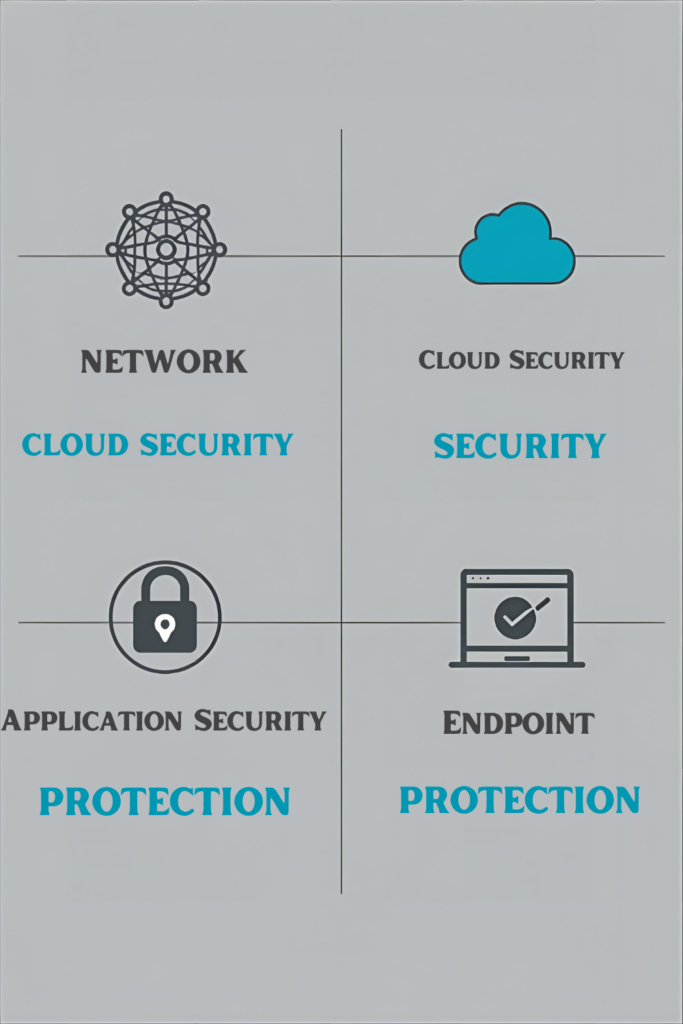
Cyber security includes several categories, each focusing on protecting different parts of digital systems.
Network Security
Network security protects computer networks from unauthorized access and attacks. It uses firewalls, intrusion detection systems, and secure network configurations to block threats.
Application Security
Application security focuses on protecting software and applications from vulnerabilities. Regular updates, security testing, and secure coding practices help reduce risks.
Information Security
Information security protects data from unauthorized access, modification, or destruction. It ensures data confidentiality, integrity, and availability.
Cloud Security
Cloud security protects data and applications stored in cloud environments. It includes encryption, access control, and compliance measures to keep cloud systems secure.
Endpoint Security
Endpoint security protects individual devices such as laptops, smartphones, and tablets. Antivirus software and device management tools are commonly used.
Cyber Security for Beginners
Beginners often think cyber security is too technical, but basic practices can greatly improve safety. Simple steps like using strong passwords, updating software, and avoiding suspicious links can prevent many attacks.
Learning cyber security basics helps users recognize threats and respond properly. Awareness is the first line of defense against cybercrime.
Best Cyber Security Practices You Must Know
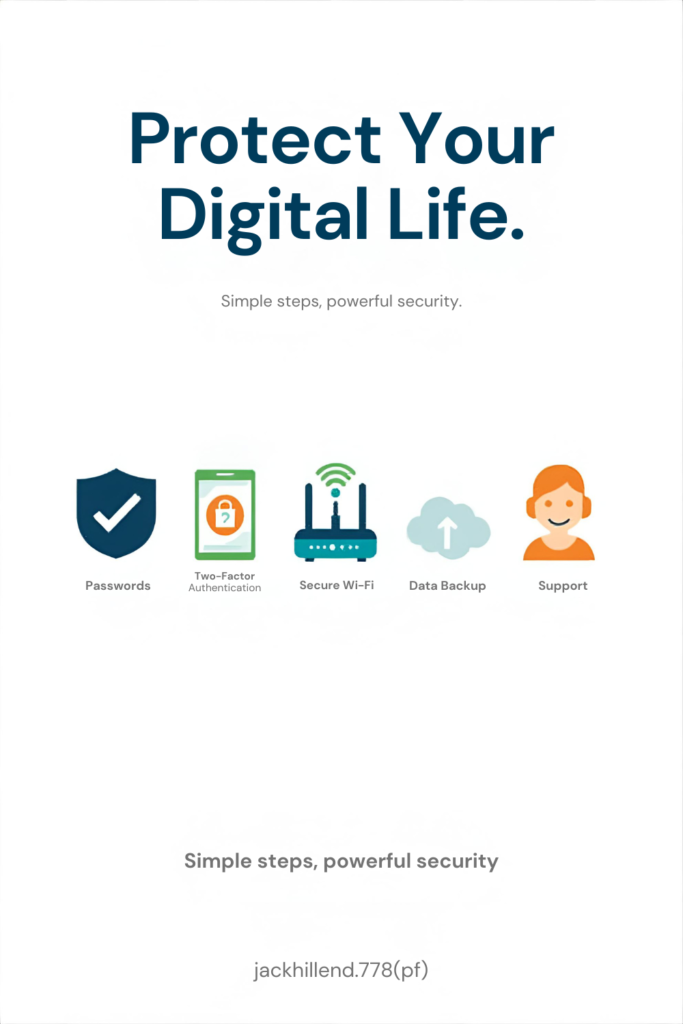
Strong cyber security habits can protect you from most online threats.
Using strong and unique passwords for each account is essential. Enabling two-factor authentication adds an extra layer of security. Keeping software and devices updated ensures known vulnerabilities are fixed.
Avoid clicking on unknown links or downloading files from untrusted sources. Always use secure Wi-Fi networks and avoid public Wi-Fi for sensitive activities. Regularly backing up data helps recover from cyber attacks.
Cyber Security in Daily Life
Cyber security plays a role in everyday activities such as online shopping, social media, and digital communication. Secure websites protect payment information during online purchases. Messaging apps use encryption to keep conversations private.
Smart devices like cameras and home assistants also need cyber security to prevent unauthorized access. Practicing online safety ensures a secure digital lifestyle.
Cyber Security for Businesses
Businesses face higher cyber risks because they handle large amounts of sensitive data. Cyber security helps protect customer information, intellectual property, and business operations.
Companies use firewalls, monitoring systems, employee training, and incident response plans to reduce risks. Investing in cyber security helps prevent data breaches and financial losses.
Cyber Security Careers and Skills
Cyber security offers many career opportunities such as security analyst, ethical hacker, and cyber security consultant. These professionals help protect systems and data from threats.
Basic skills include understanding networks, operating systems, security tools, and risk management. As cyber threats grow, demand for cyber security professionals continues to rise.
Future of Cyber Security
The future of cyber security is closely connected to new technologies like artificial intelligence, cloud computing, and the Internet of Things. As technology evolves, cyber threats become more advanced.
Cyber security solutions will focus on automation, predictive analysis, and real-time threat detection. Continuous learning will be essential for staying ahead of cybercriminals.
Common Myths About Cyber Security
Many people believe cyber security is only for big companies, but individuals are also targets. Another myth is that antivirus software alone is enough, which is not true.
Cyber security requires a combination of tools, awareness, and best practices. Understanding these myths helps improve online safety.
Conclusion
Cyber security is no longer optional in today’s digital world. It protects personal data, devices, and online identities from growing cyber threats. By understanding cyber security basics and following best practices, anyone can reduce the risk of cyber attacks.
Whether you are an individual, student, or business owner, cyber security knowledge helps you stay safe and confident online. Learning and applying these basics is the first step toward a secure digital future.