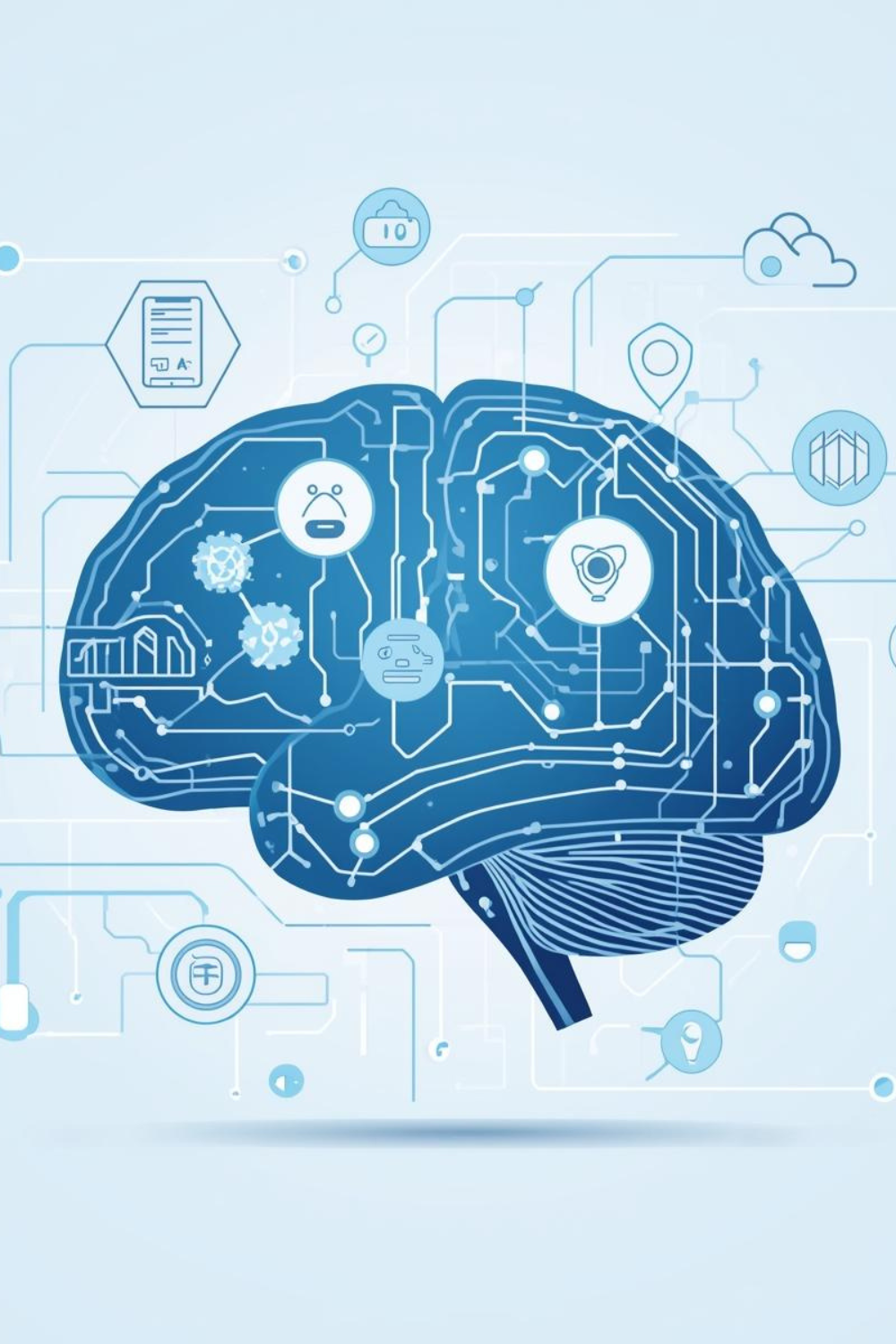
What is artificial intelligence? Learn AI meaning, types, examples, uses, and importance in this simple beginner-friendly artificial intelligence guide
Artificial intelligence is one of the most talked-about technologies in today’s digital world. From smartphones and voice assistants to recommendation systems and smart machines, artificial intelligence is changing how people live and work. Even though many people use AI daily, they are often unsure about what artificial intelligence really means and how it works.
This beginner guide explains artificial intelligence in simple words, covering its meaning, types, examples, benefits, limitations, and future potential so anyone can understand it easily.
What Is Artificial Intelligence? (Simple Definition)
Artificial intelligence, commonly known as AI, refers to the ability of machines and computer systems to perform tasks that normally require human intelligence. These tasks include learning, thinking, problem-solving, decision-making, and understanding language.
In simple words, artificial intelligence allows machines to behave like humans by using data, algorithms, and computing power. Whenever a system learns from experience and improves its performance, it is using artificial intelligence.
Artificial Intelligence Meaning in Simple Words
Artificial intelligence means creating smart machines that can think and learn. Instead of following fixed instructions only, AI systems analyze data and make decisions based on patterns.
For example, when YouTube suggests videos you may like or when a smartphone recognizes your face, artificial intelligence is working behind the scenes. AI focuses on making technology smarter and more helpful.
History of Artificial Intelligence (Brief Overview)
The idea of artificial intelligence started many decades ago. Early researchers wanted to create machines that could think like humans. In the beginning, AI systems were simple and rule-based, meaning they followed pre-written instructions.
With the growth of computing power, big data, and the internet, artificial intelligence became more advanced. Today, AI systems can learn, adapt, and improve automatically, making them much more powerful than earlier technologies.
Types of Artificial Intelligence
Artificial intelligence can be classified into different types based on capabilities and functions.
1. Narrow Artificial Intelligence
Narrow AI is designed to perform a specific task. It cannot think beyond its assigned function.
Examples include voice assistants, recommendation systems, and image recognition software. Most AI systems used today fall under this category.
2. General Artificial Intelligence
General AI refers to machines that can perform any intellectual task a human can do. This type of AI can learn, reason, and adapt across different tasks.
Currently, general artificial intelligence does not exist and is still a topic of research.
3. Super Artificial Intelligence
Super AI would surpass human intelligence in all areas, including creativity and problem-solving. This type of artificial intelligence is theoretical and does not exist yet.
Examples of Artificial Intelligence in Daily Life

Artificial intelligence is already part of everyday life. Common examples include:
- Voice assistants like smart speakers
- Face recognition on smartphones
- Online shopping recommendations
- Navigation and traffic prediction apps
- Email spam filters
These examples show how artificial intelligence improves convenience and efficiency.
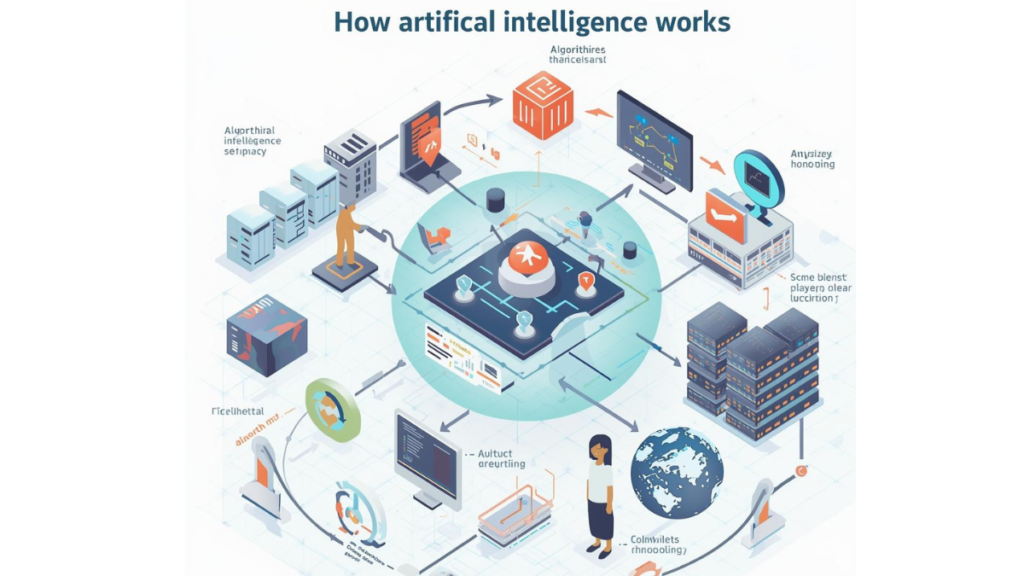
How Artificial Intelligence Works
Artificial intelligence works by combining data, algorithms, and computing power. AI systems collect large amounts of data and analyze it to find patterns. Based on these patterns, the system learns and makes predictions or decisions.
Machine learning and deep learning are important parts of artificial intelligence that help systems improve performance over time without human intervention.
Uses of Artificial Intelligence
Artificial intelligence is used in many fields and industries.
In healthcare, AI helps diagnose diseases and analyze medical data. In education, it supports personalized learning. In business, AI improves customer service and data analysis. Artificial intelligence is also widely used in entertainment, finance, and transportation.
Importance of Artificial Intelligence
Artificial intelligence is important because it increases efficiency, accuracy, and productivity. It allows machines to handle repetitive tasks, saving time and reducing errors.
AI also helps businesses make better decisions, improves customer experiences, and supports innovation across industries. As technology grows, artificial intelligence becomes more valuable.
Advantages of Artificial Intelligence
Artificial intelligence offers many benefits in modern society.
AI systems can work continuously without fatigue, process large amounts of data quickly, and provide accurate results. They help reduce human workload and improve productivity in many areas.
These advantages make artificial intelligence an essential technology in the digital age.
Disadvantages of Artificial Intelligence
Despite its benefits, artificial intelligence also has some limitations. High development costs, data privacy concerns, and dependence on machines are common issues.
Automation may also impact jobs in certain industries. Responsible use of artificial intelligence is important to balance benefits and risks.
Artificial Intelligence in Business
Businesses use artificial intelligence to improve operations and customer service. AI-powered chatbots, data analytics, and automation tools help companies work more efficiently.
Artificial intelligence also supports digital marketing, fraud detection, and personalized customer experiences.
Artificial Intelligence in Education
In education, artificial intelligence supports online learning and personalized study plans. AI-powered tools help students learn at their own pace and assist teachers with administrative tasks.
Technology-driven education is becoming more accessible because of artificial intelligence.
Future of Artificial Intelligence
The future of artificial intelligence is promising. AI will continue to improve healthcare, education, transportation, and business systems. Smart cities, advanced automation, and intelligent devices will become more common.
Learning artificial intelligence basics today helps individuals prepare for future opportunities in technology-driven careers.
Conclusion
Artificial intelligence has become a powerful part of modern technology, enabling machines to think, learn, and make decisions. From everyday applications to business, education, and healthcare, AI has made tasks faster, more accurate, and more efficient. For beginners, understanding the basics of artificial intelligence helps build digital awareness and prepares them for future opportunities. When used responsibly, artificial intelligence drives innovation and plays an important role in creating a smarter, more connected world.