Discover the future of information technology and what to expect in the next 5 years, including AI, cloud computing, cybersecurity, automation, and digital transformation.Introduction
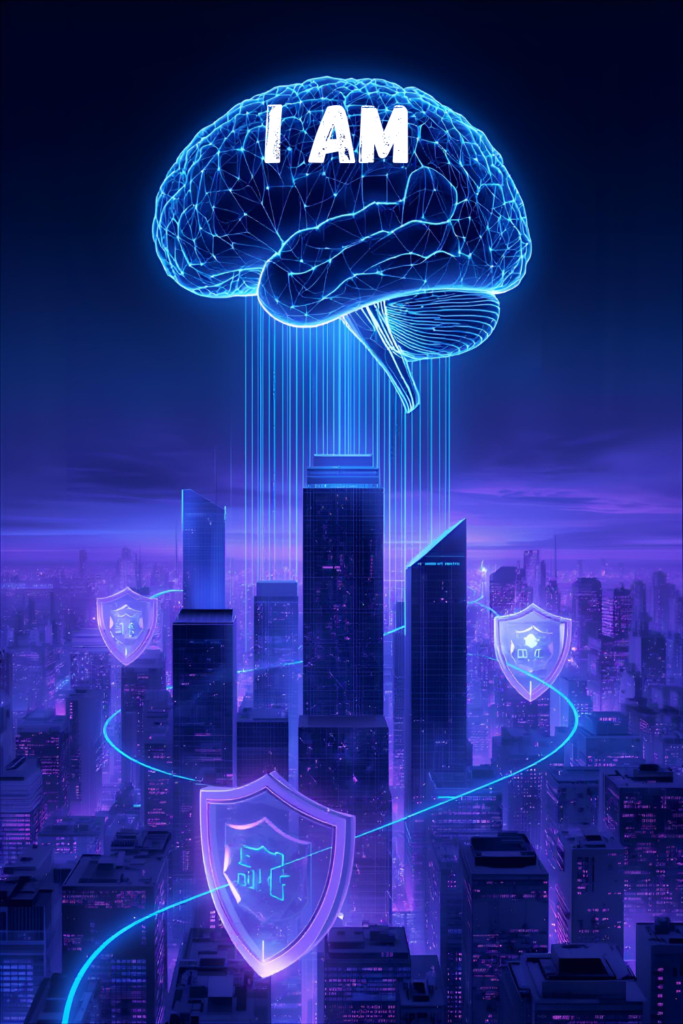
Information Technology has always been a driving force behind global innovation, but the pace of change today is faster than ever before. Over the next five years, IT will not only support businesses—it will redefine how organizations operate, compete, and grow. Technologies that once seemed futuristic are rapidly becoming part of everyday life.
Understanding the future of Information Technology is essential for businesses, IT professionals, students, and decision-makers who want to stay relevant in an increasingly digital world. From artificial intelligence and cloud evolution to cybersecurity and sustainability, the coming years will bring transformative changes across every industry.
This article explores what to expect from Information Technology in the next five years and how these developments will shape the digital future.
1. Artificial Intelligence Will Become Everywhere
Artificial Intelligence (AI) will be the most influential force shaping the future of Information Technology. Over the next five years, AI will move from being a specialized tool to an integral part of almost every IT system.
Businesses will use AI for data analysis, customer service, automation, and decision-making. AI-powered assistants will handle routine tasks, while advanced models will support strategic planning and forecasting. In IT operations, AI will monitor systems, predict failures, and resolve issues automatically.
As AI becomes more accessible, organizations that successfully integrate it into their IT strategies will gain efficiency, speed, and competitive advantage.
2. Agentic AI and Autonomous IT Systems
One of the most significant shifts in the future of Information Technology will be the rise of agentic AI—AI systems capable of acting independently. These systems will plan tasks, make decisions, and execute actions with minimal human involvement.
In the next five years, autonomous IT systems will manage infrastructure, optimize networks, deploy updates, and respond to incidents in real time. This will reduce downtime, lower costs, and improve system reliability.
Human roles in IT will shift toward oversight, governance, and innovation, while AI handles repetitive and operational tasks.
3. Cloud Computing Will Evolve into Intelligent Cloud

Cloud computing will continue to dominate IT, but its role will evolve significantly. The future will see the rise of intelligent cloud platforms powered by artificial intelligence and automation.
Hybrid and multi-cloud environments will become standard, allowing organizations to balance flexibility, security, and performance. Cloud platforms will automatically allocate resources, optimize costs, and enhance security using AI.
Over the next five years, cloud computing will become smarter, faster, and more adaptive, forming the backbone of digital transformation.
4. Cybersecurity Will Become Predictive and Proactive
As technology advances, cyber threats are becoming more complex and frequent. The future of Information Technology will require a major shift in cybersecurity approaches.
Traditional reactive security models will be replaced by AI-driven, predictive cybersecurity systems. These systems will detect threats in real time, analyze behavior patterns, and prevent attacks before they occur.
The Zero Trust Security Model will become the global standard, ensuring that no user or device is trusted by default. Cybersecurity will no longer be just an IT responsibility—it will be a core business priority.
5. Edge Computing Will Support Real-Time Innovation
Edge computing will play a crucial role in the next phase of Information Technology. By processing data closer to its source, edge computing reduces latency and improves real-time performance.
This technology will be essential for applications such as autonomous vehicles, smart cities, healthcare monitoring, and industrial automation. Over the next five years, edge computing will work alongside cloud systems to create faster and more responsive IT architectures.
Businesses that rely on real-time data will benefit significantly from this hybrid approach.
6. Internet of Things Will Expand Rapidly
The Internet of Things (IoT) will continue its explosive growth, connecting billions of devices worldwide. Smart homes, wearable devices, connected factories, and smart healthcare systems will become more advanced and widespread.
The future of Information Technology will focus on managing, securing, and analyzing IoT data efficiently. Integration with AI and edge computing will enable real-time insights and intelligent automation.
However, IT systems must also address IoT security challenges to protect sensitive data and ensure system reliability.
7. Quantum Computing Will Move Closer to Reality
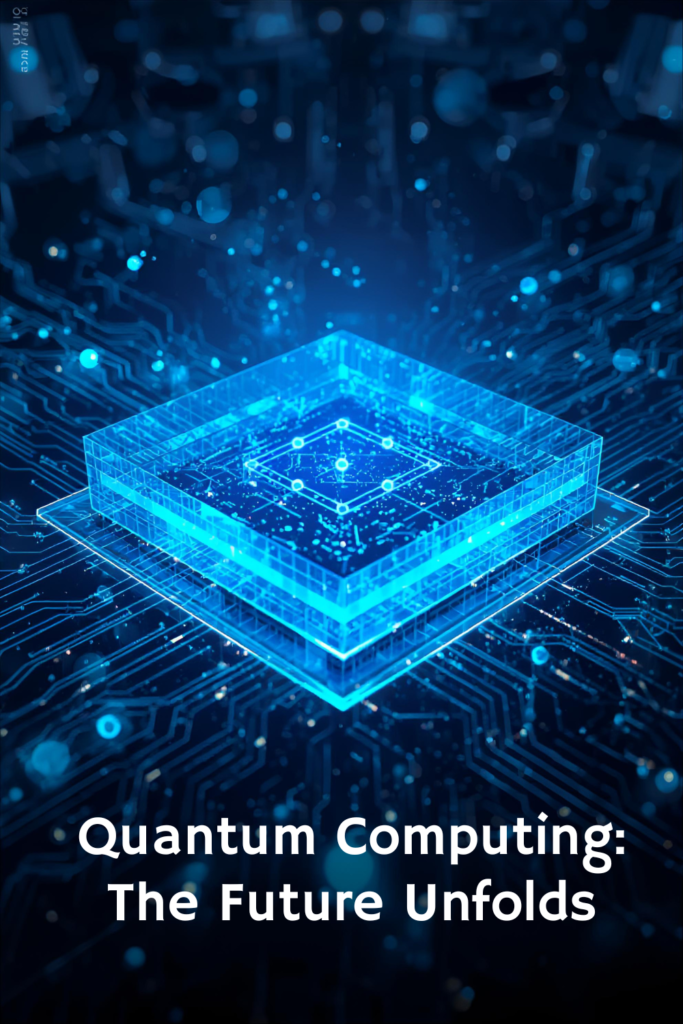
Quantum computing is still in its early stages, but the next five years will bring significant progress. Organizations will begin preparing for quantum-ready IT systems to stay ahead of future breakthroughs.
Quantum computing has the potential to solve complex problems far beyond the capabilities of traditional computers, including advanced encryption, optimization, and scientific research.
Although widespread adoption may take longer, awareness and preparation will become essential parts of IT strategy.
8. Low-Code and No-Code Development Will Go Mainstream
Low-code and no-code platforms will transform how software is developed. These tools allow users to build applications using visual interfaces, reducing the need for extensive coding knowledge.
In the future, businesses will use these platforms to accelerate digital transformation and reduce development time. IT teams will focus on architecture, security, and integration, while business users create customized solutions.
This trend will increase agility and innovation across organizations.
9. Data-Centric IT and Advanced Analytics
Data will remain at the core of the future of Information Technology. Over the next five years, organizations will adopt data-centric IT architectures that prioritize data quality, governance, and accessibility.
Advanced analytics powered by AI will provide deeper insights and predictive capabilities. Real-time data processing will support faster decision-making and automation.
Businesses that effectively manage and analyze data will gain a significant competitive edge in a data-driven economy.
10. Sustainable and Green Information Technology
Sustainability will become a defining factor in IT strategy. Green IT focuses on reducing energy consumption, minimizing electronic waste, and adopting environmentally friendly practices.
Energy-efficient data centers, renewable-powered cloud services, and optimized software will become industry standards. Governments and regulators will also push for sustainable IT initiatives.
In the next five years, sustainable technology will be both a responsibility and an opportunity for businesses.
11. Digital Transformation Will Focus on Resilience
Digital transformation will continue, but its focus will shift toward resilience and adaptability. Businesses will modernize legacy systems, adopt cloud-native architectures, and integrate AI across operations.
Remote work, global collaboration, and digital customer experiences will become permanent aspects of business strategy. IT systems will be designed to adapt quickly to change and disruption.
Organizations that prioritize resilience will be better prepared for future challenges.
Conclusion
The future of Information Technology promises a world where systems are smarter, more autonomous, more secure, and more sustainable. Over the next five years, technologies such as artificial intelligence, cloud computing, cybersecurity, edge computing, and quantum readiness will reshape how organizations operate and innovate.
For businesses and individuals alike, staying informed and adaptable is essential. Those who embrace these changes early will gain a powerful advantage in an increasingly digital world.
Information Technology will not just support the future—it will define it.