Future of Artificial Intelligence.
Explore the future of artificial intelligence, its trends, opportunities, challenges, and impact on industries, healthcare, education, and everyday life.
What is Artificial Intelligence?
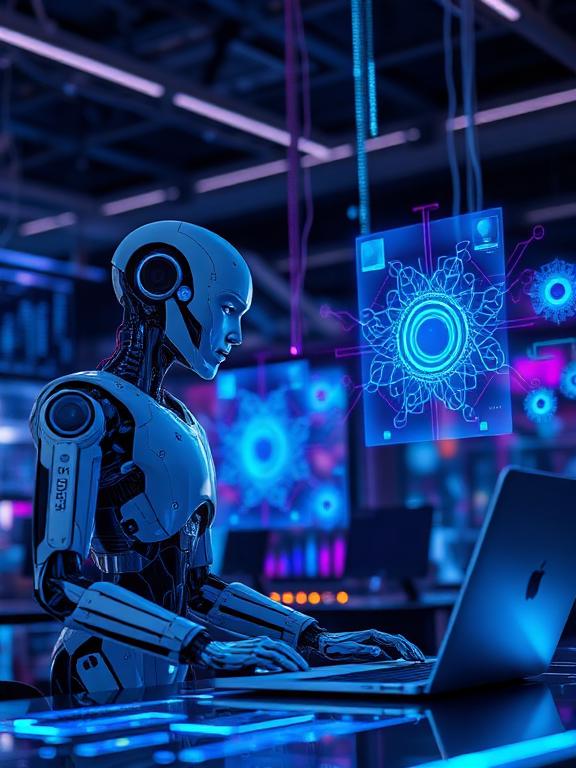
Artificial Intelligence refers to the development of computer systems capable of performing tasks that normally require human intelligence. These tasks include learning, reasoning, problem-solving, language understanding, and even creative processes. AI is already embedded in our lives through applications like voice assistants, recommendation systems, autonomous vehicles, and healthcare diagnostics.
Current State of AI
The current landscape of AI is dominated by machine learning (ML), deep learning, and natural language processing (NLP). Businesses leverage AI to improve customer experiences, optimize operations, and enhance decision-making. From healthcare to finance, transportation to education, AI is redefining industry standards.
Key applications today include:
- Healthcare: AI algorithms assist in diagnosing diseases, predicting patient outcomes, and personalizing treatment plans.
- Finance: Fraud detection, algorithmic trading, and customer support chatbots rely on AI to improve efficiency.
- Retail: AI-powered recommendation engines and inventory management optimize customer experience and reduce waste.
- Transportation: Autonomous vehicles and smart traffic management systems use AI to enhance safety and efficiency.
Trends Shaping the Future of AI
AI’s future is being driven by rapid technological advancements, increasing data availability, and global demand for automation. Some key trends include:
1. AI in Healthcare
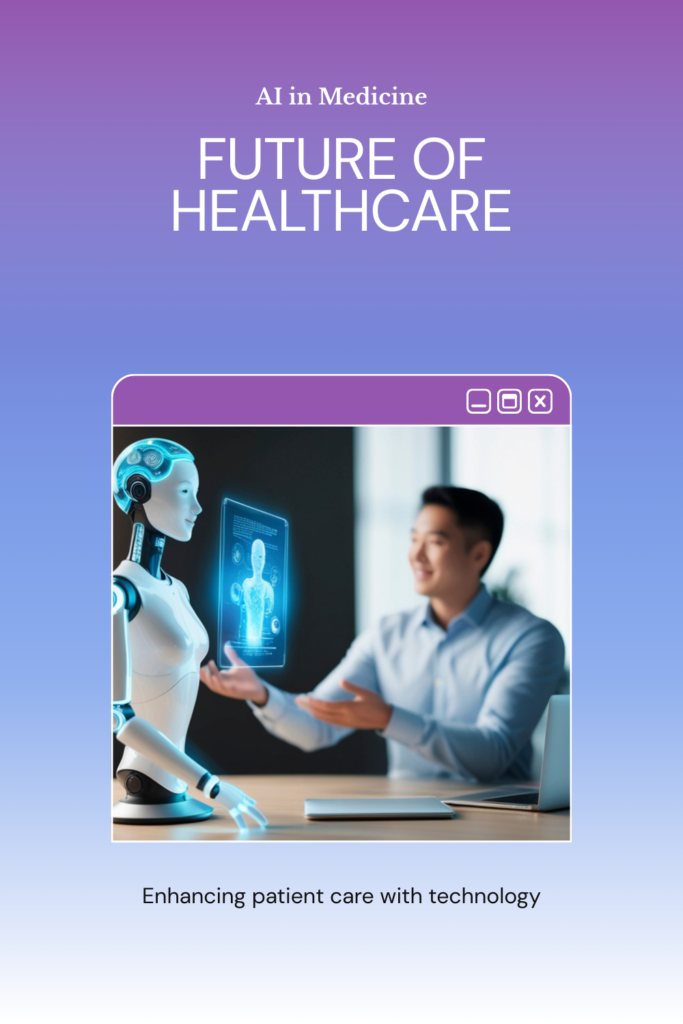
AI is expected to revolutionize healthcare by improving diagnostic accuracy, enabling personalized medicine, and predicting disease outbreaks. Machine learning models can analyze complex medical data faster than human doctors, potentially saving lives.
2. Autonomous Vehicles
Self-driving cars are no longer a distant dream. AI-driven autonomous vehicles promise safer roads, reduced traffic congestion, and lower carbon emissions. As sensor technology and AI algorithms advance, autonomous vehicles will become more reliable and widespread.
3. AI in Education
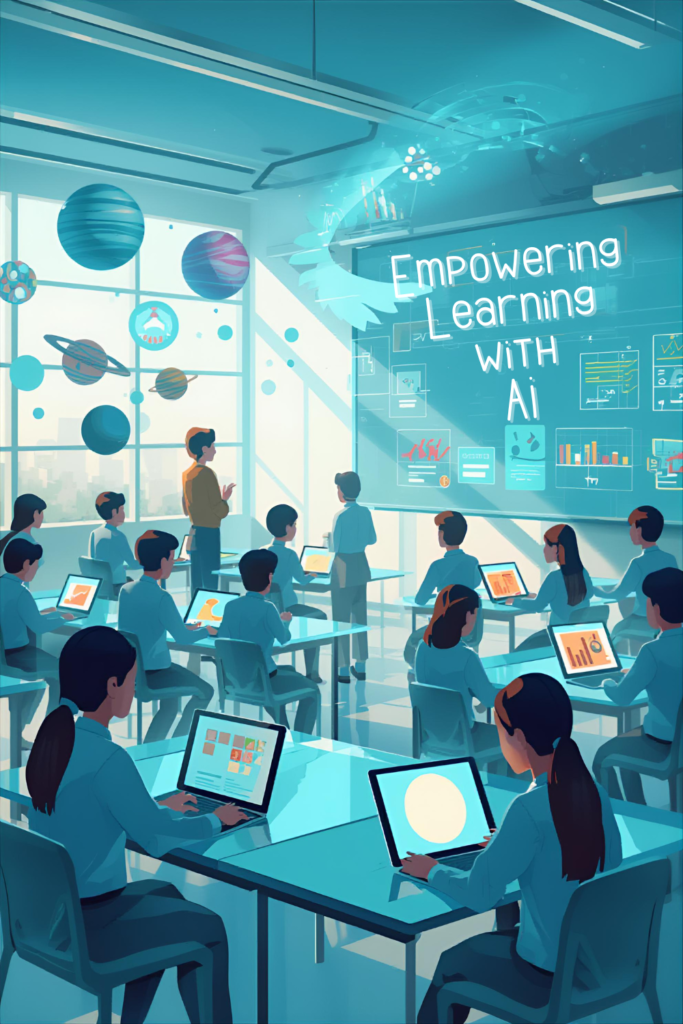
AI-powered educational tools can create personalized learning experiences, adapt to individual student needs, and automate administrative tasks. This could democratize education by making quality resources accessible globally.
4. AI and Robotics
From manufacturing to household chores, AI-driven robots will become increasingly integrated into daily life. Smart robots can perform complex tasks, collaborate with humans, and learn from their environment to improve efficiency.
5. Natural Language Processing and AI Communication
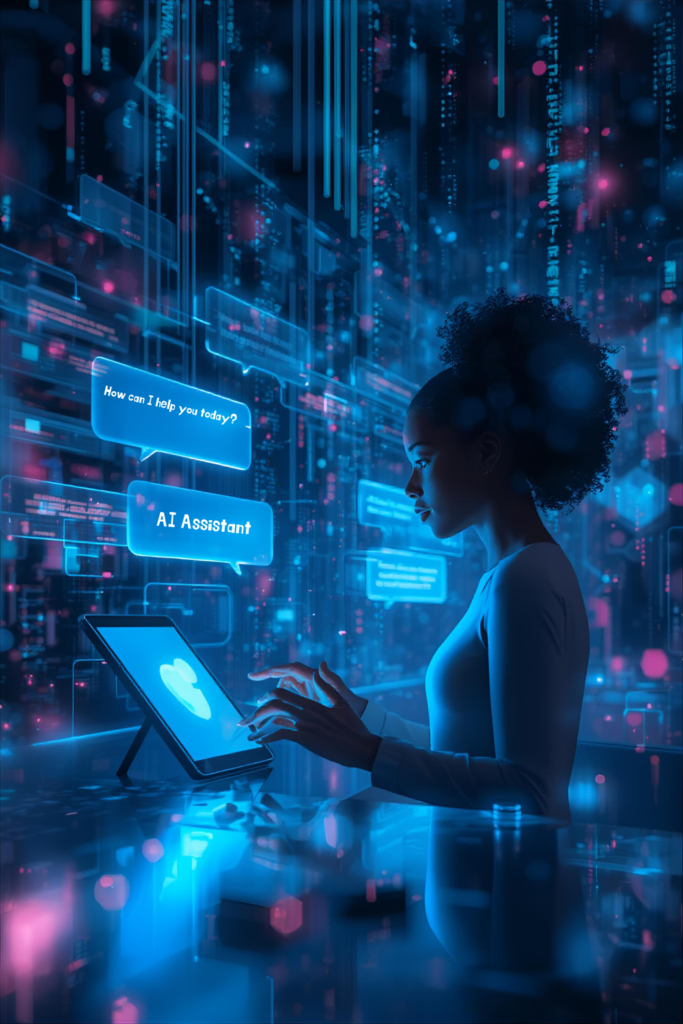
Advancements in NLP, like large language models, are enhancing human-computer interaction. AI assistants, chatbots, and translation services are becoming more intelligent, capable of understanding context, sentiment, and complex queries.
6. Ethical AI and Governance
As AI becomes more powerful, ethical considerations, transparency, and regulatory frameworks will play a crucial role. The future of AI will involve balancing innovation with responsible use, ensuring that AI benefits society while minimizing risks.
Challenges Facing the Future of AI
Despite its promising potential, AI faces several challenges that could impact its adoption and effectiveness:
- Data Privacy: AI systems require vast amounts of data, raising concerns about personal privacy and data security.
- Bias and Fairness: AI algorithms can reflect existing biases in training data, potentially leading to unfair or discriminatory outcomes.
- Job Displacement: Automation through AI could replace certain jobs, necessitating workforce retraining and adaptation.
- Regulation: Global standards for AI use are still evolving, making governance a complex challenge.
- Technical Limitations: AI systems still struggle with reasoning, common sense understanding, and creative problem-solving.
Opportunities for Businesses
Businesses that embrace AI will gain competitive advantages through automation, data-driven insights, and enhanced customer experiences. Future opportunities include:
- Predictive Analytics: Anticipating market trends and consumer behavior for strategic decision-making.
- Intelligent Automation: Streamlining operations, reducing human error, and cutting costs.
- Enhanced Customer Engagement: AI chatbots, personalized marketing, and recommendation systems.
- Innovation in Products and Services: Leveraging AI to create new offerings, from smart devices to personalized solutions.
The Role of AI in Sustainability
AI also has the potential to address global challenges like climate change, resource management, and energy efficiency. By optimizing energy consumption, predicting environmental impacts, and improving agricultural practices, AI can contribute to a more sustainable future.
Predictions for AI in the Next Decade
Experts predict that AI will continue to evolve at an unprecedented pace over the next ten years:
- AI-Human Collaboration: AI will augment human intelligence rather than replace it, enabling smarter decision-making.
- AI in Everyday Life: Smart homes, wearable devices, and personal AI assistants will become ubiquitous.
- Advanced Healthcare Solutions: AI-driven diagnostics, robotic surgeries, and drug discovery will become standard.
- Autonomous Systems: AI will power not only vehicles but also drones, logistics systems, and urban infrastructure.
- Global AI Regulations: Countries will establish frameworks to ensure safe and ethical AI deployment.
Conclusion
The future of artificial intelligence is both exciting and complex. AI has the potential to transform industries, enhance human capabilities, and solve some of the world’s most pressing challenges. However, realizing this potential requires addressing ethical, social, and technical challenges responsibly. By embracing AI thoughtfully, businesses, governments, and individuals can harness its power for a smarter, more efficient, and sustainable future.