Top Information Technology Trends That Will Dominate 2026.
Discover the top Information Technology trends that will dominate 2026, including AI, cybersecurity, cloud computing, quantum tech, and more shaping the digital future.

Introduction
Information Technology is evolving faster than ever before. As businesses, governments, and individuals increasingly rely on digital systems, new IT trends are emerging to meet growing demands for speed, security, intelligence, and sustainability. The year 2026 is expected to be a turning point, where advanced technologies move from experimentation to widespread adoption.
From artificial intelligence and cloud evolution to cybersecurity and quantum computing, Information Technology trends in 2026 will redefine how organizations operate and innovate. Understanding these trends is essential for IT professionals, students, business owners, and anyone interested in the future of technology.
In this article, we explore the top Information Technology trends that will dominate 2026 and explain why they matter.
1. Artificial Intelligence Becoming Fully Autonomous
Artificial Intelligence (AI) has already transformed IT, but in 2026, AI will become more autonomous and intelligent. Instead of simply assisting humans, AI systems will plan, decide, and execute tasks independently.
Autonomous AI systems—often called agentic AI—will manage IT operations, automate workflows, monitor networks, and even resolve system issues without human intervention. This will significantly reduce operational costs and improve efficiency.
AI will also enhance software development through automated code generation, testing, and debugging. As AI becomes smarter, IT professionals will focus more on strategy and innovation rather than routine tasks.
2. Cloud Computing Enters a New Era
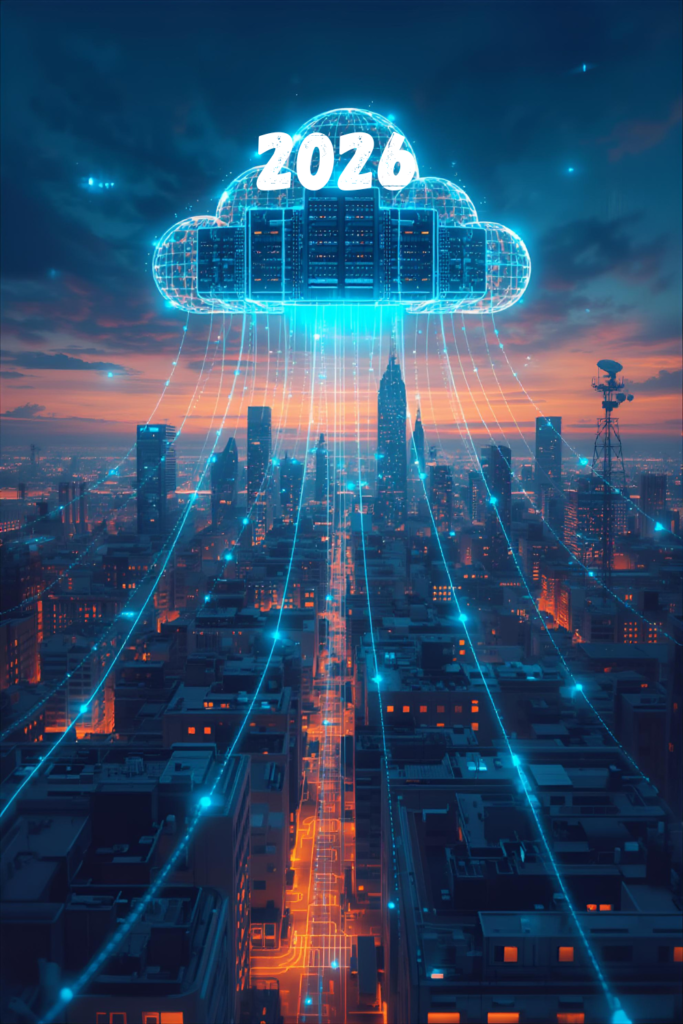
Cloud computing will continue to dominate Information Technology in 2026, but its role will evolve. Traditional cloud services are transforming into AI-driven and intelligent cloud platforms, sometimes referred to as Cloud 3.0.
Hybrid and multi-cloud strategies will become the norm as organizations seek flexibility, scalability, and better data control. Cloud platforms will integrate AI to optimize performance, predict failures, and manage resources automatically.
This trend allows businesses to handle massive data volumes while maintaining speed, security, and cost efficiency—making cloud computing a core pillar of modern IT infrastructure.
3. Cybersecurity Powered by Artificial Intelligence
As technology advances, cyber threats are becoming more complex. In 2026, cybersecurity will rely heavily on AI-powered defense systems.
AI will detect threats in real time, analyze attack patterns, and respond instantly to security breaches. Traditional reactive security models will be replaced by predictive and adaptive cybersecurity frameworks.
Zero Trust Security will also gain widespread adoption, ensuring that no user or device is trusted by default. This approach will be essential as remote work, cloud systems, and IoT devices continue to expand the digital attack surface.
4. Rise of Quantum Computing Awareness
Quantum computing is still in its early stages, but 2026 will mark a significant shift in awareness and preparation. Organizations will begin investing in quantum-ready IT systems to prepare for future breakthroughs.
Quantum computing has the potential to solve complex problems that traditional computers cannot, such as advanced encryption, drug discovery, and large-scale data analysis.
While full-scale quantum computers may not be mainstream yet, IT professionals will need to understand quantum principles and their impact on cybersecurity and data protection.
5. Edge Computing for Faster Data Processing
Edge computing will play a critical role in Information Technology trends for 2026. Instead of sending data to centralized cloud servers, edge computing processes data closer to its source.
This reduces latency, improves speed, and enhances real-time decision-making—especially for applications like autonomous vehicles, smart cities, healthcare monitoring, and industrial automation.
As IoT devices increase, edge computing will become essential to manage data efficiently and securely while reducing dependence on centralized infrastructure.
6. Expansion of Internet of Things (IoT)
The Internet of Things will continue its rapid growth in 2026, connecting billions of devices across industries. Smart homes, smart factories, wearable technology, and smart healthcare systems will become more advanced and interconnected.
IT systems will focus on managing, securing, and analyzing IoT data at scale. Integration with AI and edge computing will enable real-time insights and automation.
With this expansion, IT professionals will need stronger skills in device management, network security, and data analytics.
7. Sustainable and Green Information Technology
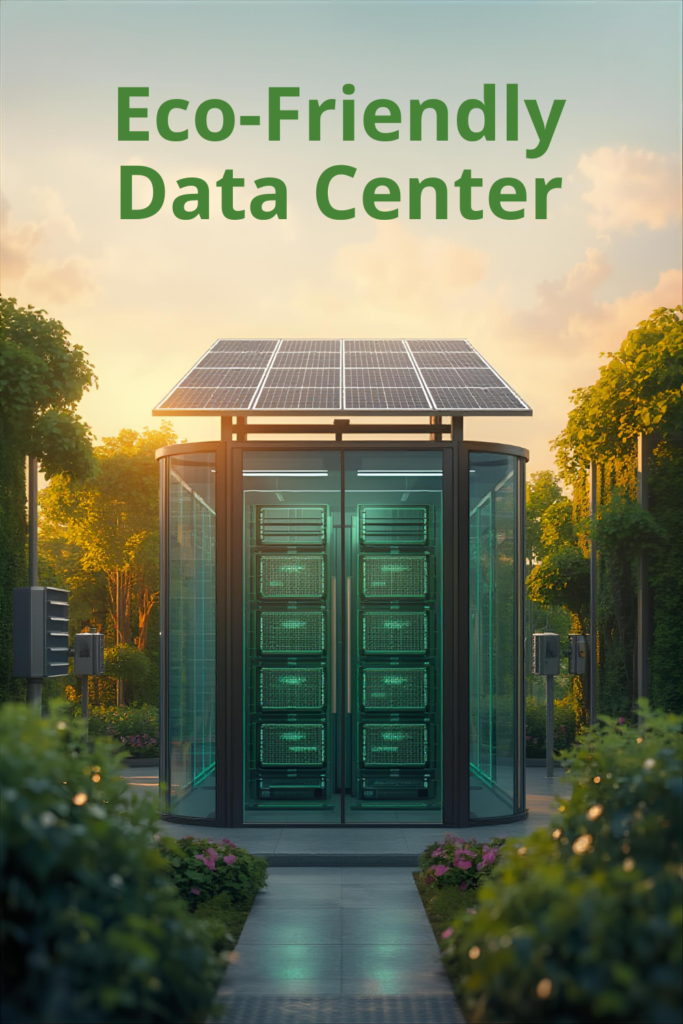
Sustainability will become a major priority in Information Technology by 2026. Green IT focuses on reducing energy consumption, minimizing electronic waste, and designing environmentally friendly systems.
Organizations will adopt energy-efficient data centers, renewable-powered cloud services, and optimized software to reduce carbon footprints. Governments and regulators will also push for sustainable IT practices.
Green IT is not only environmentally responsible but also cost-effective, making it an important trend for the future of technology.
8. Low-Code and No-Code Development Platforms
Software development is becoming more accessible through low-code and no-code platforms. In 2026, these tools will enable non-technical users to build applications with minimal coding knowledge.
This trend will speed up digital transformation and reduce the burden on IT teams. Businesses will be able to create internal tools, automate workflows, and respond quickly to market changes.
However, IT professionals will still play a crucial role in system architecture, security, and integration.
9. Data-Centric IT and Advanced Analytics
Data will remain the foundation of modern Information Technology. In 2026, organizations will shift toward data-centric architectures, focusing on data quality, governance, and real-time analytics.
Advanced analytics powered by AI will provide deeper insights, enabling smarter business decisions. Real-time data processing will support predictive modeling and automation across industries.
IT systems will prioritize secure data sharing, compliance, and intelligent data management strategies.
10.Digital Twins in IT Systems
Digital twin technology will gain traction in 2026. A digital twin is a virtual replica of a physical system, process, or infrastructure.
In Information Technology, digital twins will be used to simulate networks, data centers, and IT operations. This allows organizations to test changes, predict failures, and optimize performance without disrupting real systems.
Digital twins will improve efficiency, reduce downtime, and support smarter IT planning.
Conclusion
The Information Technology trends of 2026 highlight a future driven by intelligence, automation, security, and sustainability. Technologies like AI, cloud computing, cybersecurity, edge computing, and quantum readiness will redefine how IT systems are designed and managed.
For IT professionals, staying updated with these trends is no longer optional—it is essential. Businesses that adapt early will gain a competitive advantage, while those that lag behind risk falling out of the digital race.
As 2026 approaches, Information Technology will continue to shape the global economy, innovation, and everyday life. Embracing these trends today will prepare organizations and individuals for a smarter, safer, and more connected future.