Benefits and Challenges of Modern Technology.

Modern technology has become an integral part of human life, influencing the way we communicate, work, learn, and live. From smartphones and artificial intelligence to cloud computing and smart devices, technological advancements have transformed society at an unprecedented pace. While technology offers countless benefits that improve efficiency and convenience, it also presents significant challenges that must be addressed responsibly.
Explore the benefits and challenges of modern technology, its impact on daily life, business, education, healthcare, and the future of society.
What Is Modern Technology?
Modern technology refers to advanced tools, systems, and innovations developed to solve problems and improve human life. It includes digital technologies such as the internet, artificial intelligence (AI), robotics, automation, big data, and smart devices. These technologies continuously evolve, reshaping industries and redefining daily routines.
Technology is no longer limited to technical experts; it is deeply embedded in everyday activities, from online banking and remote work to digital learning and healthcare innovations.
Benefits of Modern Technology
1. Improved Communication and Connectivity
One of the most significant benefits of modern technology is improved communication. The internet, social media platforms, video conferencing tools, and instant messaging apps allow people to connect across the globe in real time. Distance is no longer a barrier to personal or professional communication.
Businesses benefit greatly from these tools, enabling global collaboration, customer engagement, and faster decision-making. Technology has made communication more efficient, affordable, and accessible to people of all backgrounds.
2. Increased Efficiency and Productivity
Modern technology has dramatically increased efficiency in workplaces and industries. Automation, artificial intelligence, and digital tools reduce manual effort and streamline processes. Tasks that once took hours can now be completed in minutes using software and smart systems.
For businesses, this leads to higher productivity, reduced costs, and better resource management. Employees can focus on creative and strategic tasks while repetitive work is handled by machines and digital systems.
3. Advancements in Education
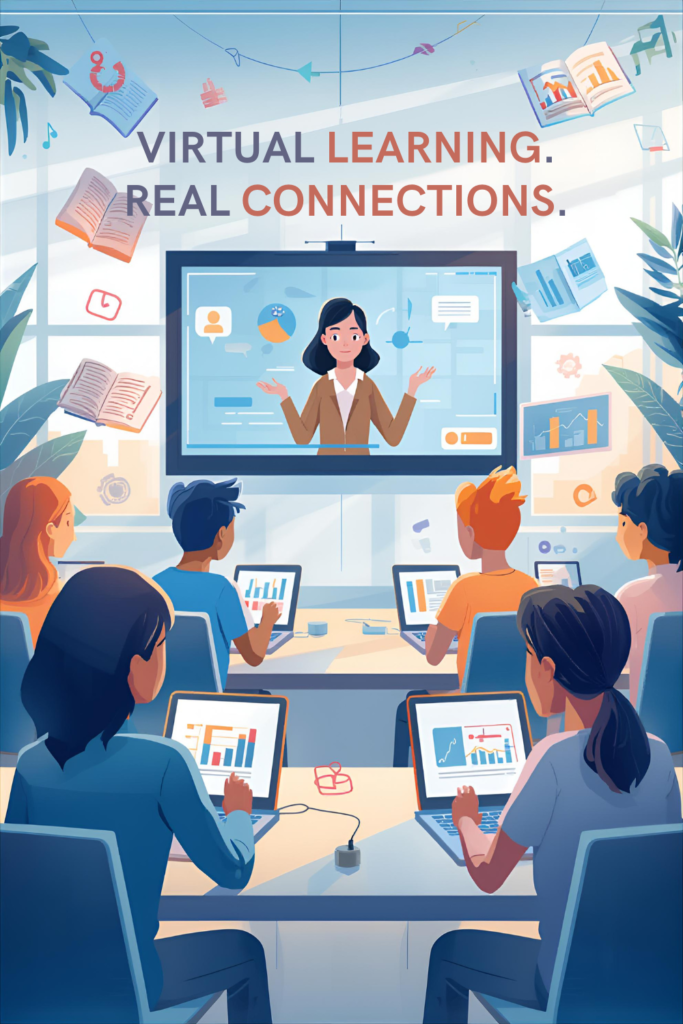
Technology has revolutionized education by making learning more flexible and accessible. Online courses, virtual classrooms, educational apps, and digital libraries allow students to learn anytime and anywhere. This is especially beneficial for remote learners and working professionals.
Teachers use technology to enhance lessons with interactive content, videos, and assessments. As a result, learning has become more engaging, personalized, and inclusive.
4. Technological Growth in Healthcare
Healthcare is one of the sectors that has benefited the most from modern technology. Advanced medical equipment, telemedicine, AI-powered diagnostics, and electronic health records have improved patient care and medical accuracy.
Doctors can now detect diseases earlier, perform complex surgeries with robotic assistance, and monitor patients remotely. These innovations save lives, reduce medical errors, and make healthcare more accessible, especially in remote areas.
5.Economic Growth and Job Opportunities
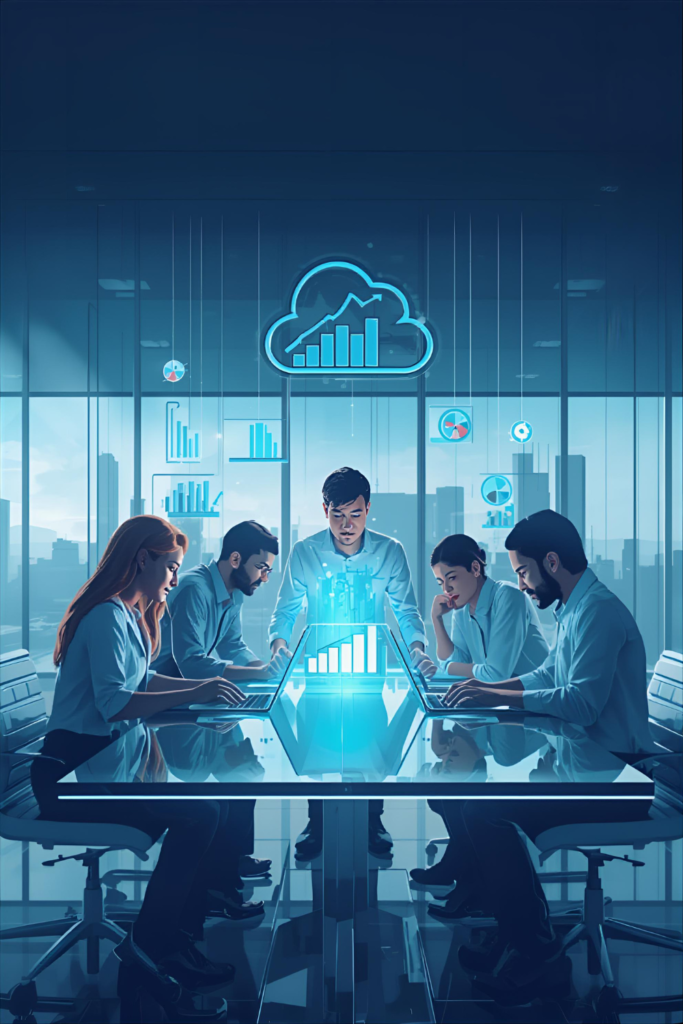
Modern technology drives economic growth by creating new industries and job opportunities. Fields such as software development, cybersecurity, data science, digital marketing, and AI engineering have emerged due to technological advancements.
Small businesses and startups can now reach global markets through e-commerce platforms and digital advertising. Technology empowers entrepreneurs by lowering entry barriers and providing tools for growth and innovation.
6. Convenience in Daily Life
Technology has simplified everyday life through smart devices and digital services. Online shopping, mobile banking, digital payments, navigation apps, and smart home systems save time and effort.
People can manage finances, control home appliances, and access information with just a few clicks. This convenience enhances comfort and improves overall quality of life.
Challenges of Modern Technology
Despite its many benefits, modern technology also presents serious challenges that cannot be ignored.
1. Data Privacy and Security Risks
One of the biggest challenges of modern technology is data privacy. Digital platforms collect vast amounts of personal data, increasing the risk of data breaches and cyberattacks. Hackers can exploit weak security systems, leading to identity theft and financial loss.
Protecting personal information has become a major concern for individuals and organizations. Strong cybersecurity measures and ethical data practices are essential to address these risks.
2. Technology Addiction and Mental Health Issues
Excessive use of technology can negatively impact mental health. Overuse of smartphones, social media, and digital entertainment can lead to addiction, anxiety, and reduced attention span.
People may experience decreased face-to-face interaction, loneliness, and sleep disturbances. Maintaining a healthy balance between digital and real-world activities is crucial for mental and emotional well-being.
3. Job Displacement Due to Automation
While technology creates new job opportunities, it also threatens traditional jobs. Automation and artificial intelligence can replace human labor in manufacturing, customer service, and administrative roles.